Serpents have long occupied a unique space in human culture, often viewed with a mixture of fear, fascination, and reverence. This duality extends into the modern era, where responsible herpetoculturists, commonly known as snake breeders, dedicate themselves to the understanding, preservation, and propagation of these often-misunderstood reptiles. This article delves into the world of snake breeding, exploring the motivations, practices, and challenges faced by those who cultivate these limbless wonders.
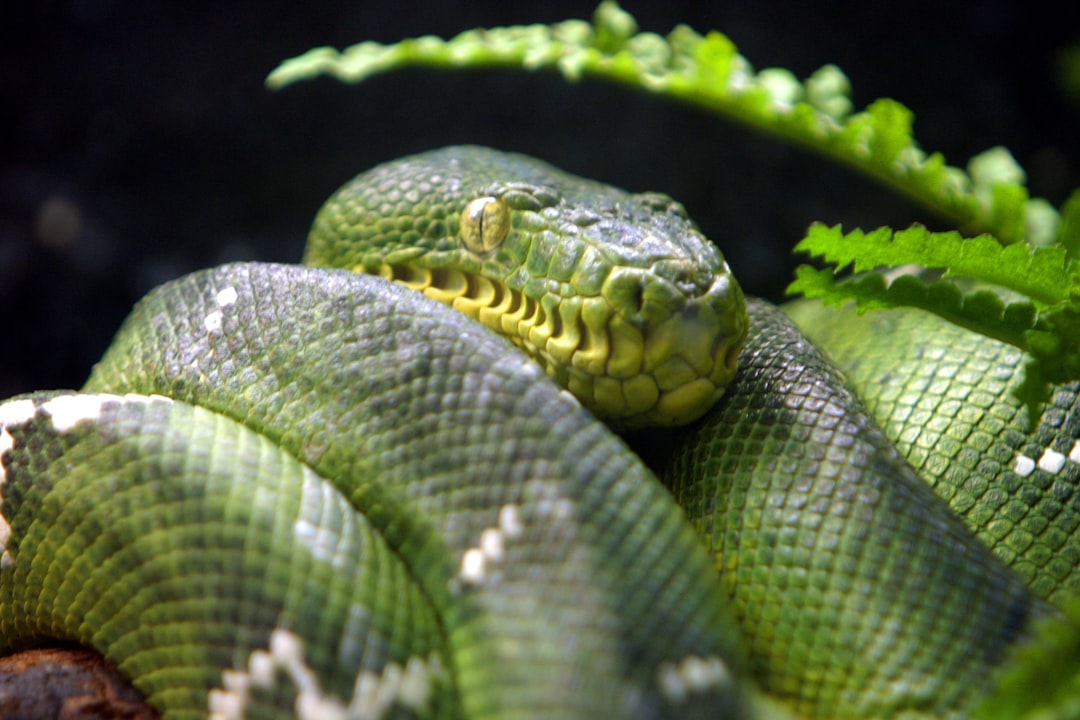
Herpetoculture, the practice of keeping and breeding reptiles, has grown from a niche hobby into a significant industry. Early keepers often relied on anecdotal evidence and limited scientific understanding, leading to suboptimal husbandry and high mortality rates. However, advancements in research and a deeper appreciation for reptile biology have transformed the field.
Before the advent of modern herpetoculture, many interactions with snakes were driven by necessity or curiosity rooted in folklore. The capture of wild snakes for display or medicinal purposes was common, with little regard for their ecological impact or welfare. The development of specialized caging, lighting, heating, and nutritional science marked a turning point. This shift allowed for the controlled environments necessary for successful long-term care and, crucially, captive breeding.
As understanding grew, so did the specialization within herpetoculture. Individuals began focusing on specific species or groups of snakes, dedicating years to mastering their unique requirements. This dedication has yielded significant contributions to conservation by reducing reliance on wild-caught specimens and by creating assurance populations for species facing threats in their natural habitats.
For those interested in the world of snake breeding, a fascinating article titled "The Art and Science of Snake Breeding: Tips for Success" provides valuable insights and practical advice for both novice and experienced breeders. This article covers essential topics such as genetics, habitat setup, and feeding practices, ensuring that breeders can create the best environment for their snakes.
The decision to become a snake breeder is rarely driven by immediate financial gain. For most, it is a profound passion, a commitment to understanding and contributing to the well-being of a particular group of animals. This dedication often involves significant personal investment in time, resources, and continuous learning.
For many breeders, the primary motivation is an insatiable curiosity about reptile biology. They are drawn to the intricate scales, the specialized sensory organs, the unique reproductive strategies, and the ecological roles these animals play. Breeding offers a unique opportunity to observe these aspects firsthand, often revealing nuances that are invisible to the casual observer.
Each snake species, and even subspecies, possesses a distinct set of environmental and dietary requirements. Successful breeders are adept at deciphering these needs, mimicking the native habitats as closely as possible in captivity. This involves meticulous research into temperature gradients, humidity levels, substrate types, and the natural prey of the species.
The reproductive process in snakes is a fascinating subject in itself. Breeders gain intimate knowledge of courtship rituals, gestation periods, and the incubation of eggs or birth of live young. This hands-on experience provides invaluable data for understanding population dynamics and reproductive success in different captive environments.
A significant driver for many reputable breeders is a commitment to conservation. They play a vital role in establishing and maintaining healthy captive populations, which can serve as vital reservoirs for genetic diversity. This is particularly important for species that are endangered or threatened in the wild due to habitat loss, poaching, or climate change.
By successfully breeding and raising species at risk, breeders act as custodians, safeguarding them against potential extinction events in their natural ranges. These assurance populations can, in some cases, be used in reintroduction programs, though this is a complex process with strict protocols.
The pursuit of specific genetic traits, often manifested as unique color patterns or "morphs," also drives breeding programs. While some of these morphs are purely aesthetic, they can also be indicators of specific genetic markers that breeders meticulously track. Maintaining healthy genetic diversity within these morph lines is crucial to prevent inbreeding depression and ensure the long-term viability of the morph.
Responsible snake breeding is underpinned by a strong ethical framework. This involves prioritizing the health and welfare of the animals above all else, ensuring that breeding is conducted sustainably, and contributing positively to the herpetological community.
Reputable breeders adhere to rigorous health and husbandry standards. This includes providing appropriate nutrition, clean enclosures, and prompt veterinary care when necessary. They are vigilant about disease prevention and quarantine new animals to prevent the spread of pathogens.
A critical ethical consideration is avoiding overproduction, which can lead to a surplus of unwanted animals flooding the pet trade. Responsible breeders produce offspring in manageable numbers, often with a waiting list or a thorough vetting process for potential buyers. They are mindful of the potential for their animals to become burdens if not placed in suitable homes.
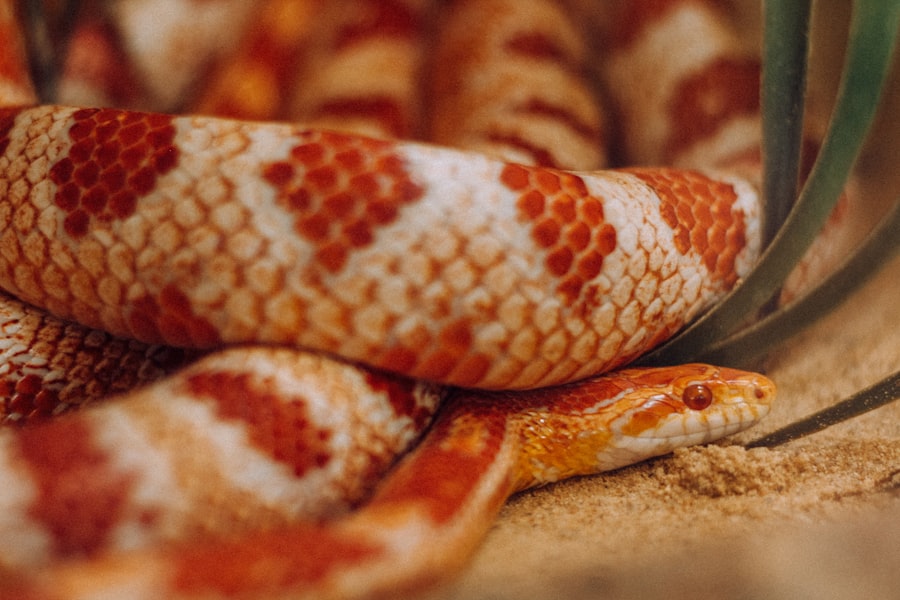
The act of breeding snakes involves a carefully managed process, from selecting breeding stock to raising the resulting offspring. Each stage requires knowledge, patience, and a keen eye for detail.
The foundation of a successful breeding program lies in the careful selection of breeding stock. This involves evaluating not just the health and vigor of the animals but also their genetic history and lineage.
Prospective breeding animals must be in excellent health, free from parasites or diseases. Temperament is also a consideration, as calm and manageable snakes are easier to handle and breed. A healthy lineage is paramount to ensure that offspring inherit robust genetics.
Breeders often focus on specific genetic traits and color patterns, known as morphs. They meticulously track the genetics of their animals to ensure they are producing offspring with desired characteristics while maintaining genetic health. This often involves understanding complex genetic inheritance patterns.
Snakes require time to reach sexual maturity, a process that varies significantly by species. Once mature, breeders carefully introduce potential mates, often observing their behavior to gauge readiness.
Different snake species mature at different rates. Some can breed within a year or two of hatching, while others may take five or more years. Breeders must be patient and understand these biological timelines.
Breeders often try to mimic the natural conditions that trigger courtship in the wild. This can include subtle changes in temperature, photoperiod (light cycles), and even providing scent cues from receptive females.
The latter stages of reproduction involve either the incubation of eggs or the live birth of offspring. Both processes require precise environmental control.
For oviparous (egg-laying) species, successful incubation is critical. Breeders create specialized incubators that maintain precise temperature and humidity levels, mimicking the conditions the eggs would experience in a natural nest. They often monitor the eggs for signs of development and fungicidal treatments if necessary.
Viviparous (live-bearing) species require careful attention to the pregnant female. Breeders ensure she has optimal nutrition and a safe, undisturbed environment to carry her young to term. Upon birth, the neonate snakes, though independent, require specialized care to ensure their initial survival.
The period immediately following hatching or birth is the most vulnerable for young snakes. Breeders must provide a tailored environment and nutrition to ensure their survival and healthy development.
Newly hatched or born snakes require much smaller enclosures than adults, often referred to as "hatchling bins" or small vivariums. These are equipped with appropriate heating, humidity, and hiding places to provide a sense of security.
Introducing the first meal to a neonate snake can sometimes be a challenge. Breeders become adept at selecting appropriate prey items and sometimes use specialized techniques to encourage feeding. Monitoring their growth and shedding cycles provides key indicators of their health.
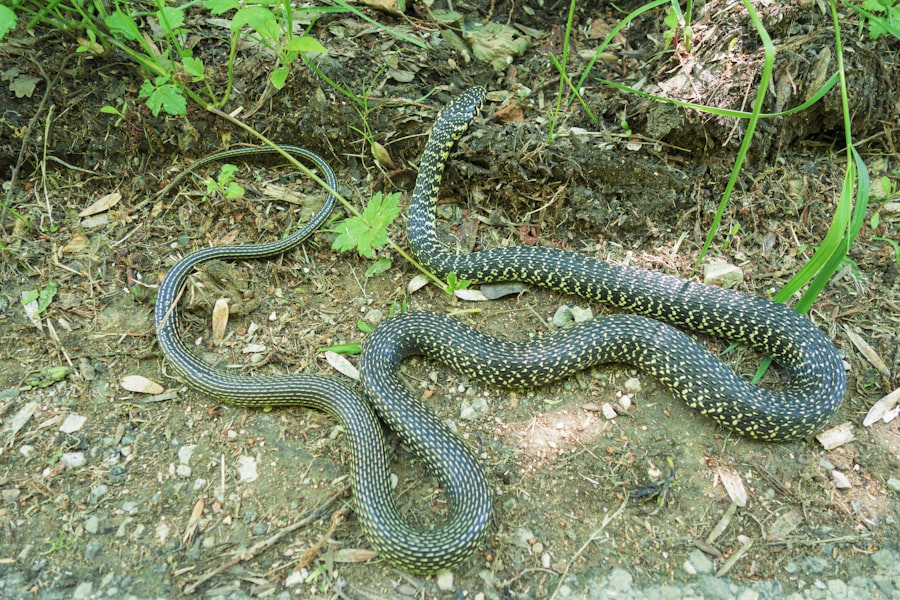
Successful snake breeding is inextricably linked to the ability to control the captive environment and provide appropriate nutrition. These are the cornerstones upon which healthy reptiles are built.
The captive environment is a direct reflection of the snake's natural habitat. Breeders strive to replicate these conditions as closely as possible to ensure the well-being of their animals.
Snakes are ectothermic, meaning they rely on external sources for heat. Breeders meticulously establish temperature gradients within enclosures, allowing snakes to move between warmer and cooler areas to regulate their body temperature. This is crucial for digestion, immune function, and overall health.
Maintaining appropriate humidity levels is vital for preventing dehydration and ensuring healthy shedding. Breeders utilize various methods, including misting, humidifiers, and specialized substrates, to achieve the correct moisture balance for each species.
The substrate, or bedding, in an enclosure plays a significant role in maintaining humidity, providing burrowing opportunities, and offering a natural feel. Breeders choose substrates carefully, considering factors like moisture retention, dust content, and potential for impaction. Enrichment items, such as branches, rocks, and hides, further enhance the captive environment, encouraging natural behaviors.
Diet is a critical factor in reptile health and successful breeding. Breeders are knowledgeable about the natural diets of their species and strive to provide nutritionally complete prey items.
The primary food source for most captive snakes is rodents, such as mice and rats, that have been appropriately sized for the snake. Breeders often source their prey from reputable suppliers to ensure they are disease-free and properly handled. Some also raise their own rodent colonies.
While whole prey items provide a balanced diet, some breeders may use nutritional supplements, like calcium and vitamin powders, especially for young or breeding animals. However, over-supplementation can be detrimental, and it is crucial to understand the specific needs of each species.
Some breeders incorporate elements of foraging into feeding to mimic natural hunting behaviors. This can involve hiding prey items or using puzzle feeders to stimulate the snake mentally and physically. This not only provides dietary benefits but also combats boredom and promotes a more natural lifestyle.
Snake breeders often seek to enhance their understanding of genetics and breeding techniques to produce unique morphs and healthier snakes. A valuable resource for those interested in the intricacies of snake breeding is an article that delves into the best practices for maintaining genetic diversity in captive populations. For more insights, you can read the article on snake breeding genetics, which provides essential tips and expert advice for both novice and experienced breeders alike.
| Metric | Description | Typical Range | Notes |
|---|---|---|---|
| Number of Breeding Pairs | Count of adult snakes actively used for breeding | 1 - 50+ | Varies by scale of operation |
| Average Clutch Size | Number of eggs laid per breeding cycle | 5 - 30 | Depends on species |
| Incubation Period | Time from egg laying to hatching | 45 - 70 days | Species and temperature dependent |
| Hatch Rate | Percentage of eggs that successfully hatch | 70% - 95% | Influenced by incubation conditions |
| Growth Rate | Average weight gain per month for hatchlings | 10 - 50 grams/month | Varies by species and diet |
| Breeding Frequency | Number of breeding cycles per year | 1 - 3 | Depends on species and breeder practices |
| Mortality Rate | Percentage of hatchlings that do not survive to maturity | 5% - 20% | Lower rates indicate better care |
| Average Sale Price per Hatchling | Market price for a young snake | Varies widely | Depends on species, morph, and demand |
While rewarding, snake breeding is not without its challenges. Breeders must navigate complex biological processes, ethical considerations, and potential health issues, all while being responsible stewards of these animals.
Despite best efforts, genetic anomalies can occur, and health issues can arise within breeding programs. Responsible breeders are vigilant in monitoring their animals and addressing any problems promptly.
The development of new color morphs, while often desired, can sometimes be accompanied by unintended genetic consequences. Breeders must be aware of potential health impacts associated with specific mutations and ethically manage breeding programs to avoid exacerbating these issues.
Preventing the introduction and spread of diseases is paramount. This involves strict quarantine protocols for new animals, maintaining hygienic enclosures, and having a relationship with a veterinarian experienced in reptile medicine. Prompt diagnosis and treatment of illness are crucial to prevent suffering and the potential loss of valuable breeding stock.
One of the most significant ethical challenges in snake breeding is managing the supply to meet demand without contributing to overpopulation. The allure of producing multiple litters can, if not managed responsibly, lead to an influx of animals that struggle to find suitable homes.
Reputable breeders prioritize the welfare of their offspring. This involves thoroughly vetting potential buyers, ensuring they have the knowledge, resources, and commitment to provide proper long-term care. In some cases, breeders may have waiting lists or specific placement criteria to ensure animals go to appropriate homes.
The widespread availability of snakes in the pet trade can sometimes lead to irresponsible ownership. Responsible breeders actively work to educate potential buyers and advocate for higher standards of care in the broader pet industry. They may choose not to breed certain species if they believe they are too difficult for the average keeper.
Snakes often face a negative public perception, fueled by fear and misinformation. Snake breeders play a crucial role in educating the public and dispelling myths surrounding these animals.
Through education and example, breeders can help change public perception. They can explain the natural behaviors of snakes, their ecological importance, and the benefits of responsible keeping. This often involves participating in educational events, creating informative online content, and engaging in respectful dialogue with the public.
Educating new snake owners on humane handling techniques, proper husbandry, and the commitment required for snake ownership is a vital responsibility. This helps prevent mistreatment, abandonment, and the spread of misinformation. Responsible breeders see themselves as educators as much as they are caretakers.
The field of snake breeding is constantly evolving, driven by advancements in technology, increasing scientific understanding, and a growing commitment to conservation.
New technologies are continually emerging that enhance our ability to care for and understand reptiles. From sophisticated environmental monitoring systems to advanced genetic testing, these innovations are transforming captive breeding.
Automated systems that precisely control temperature, humidity, and lighting are becoming more accessible. These technologies allow breeders to create highly stable and species-specific environments, leading to improved health and breeding success.
Advances in genetic sequencing allow breeders to gain a deeper understanding of the genetic makeup of their animals. This can aid in identifying carrier status for genetic traits, predicting offspring characteristics, and ensuring genetic diversity within captive populations.
As human impact on natural habitats continues to grow, the role of captive breeding in conservation becomes increasingly critical. Breeders are becoming indispensable partners in global efforts to protect vulnerable and endangered snake species.
Many breeders participate in collaborative breeding programs with zoos, research institutions, and conservation organizations. These programs aim to establish robust captive populations of endangered species and, in some cases, support reintroduction efforts into the wild.
Snake breeders often contribute valuable data to scientific research. Their detailed records of breeding cycles, genetics, and husbandry practices can provide insights that are difficult to obtain from wild populations, contributing to a broader understanding of snake biology and conservation needs.
The future of snake breeding will undoubtedly emphasize ethical expansion and sustainable practices. This includes a continued focus on responsible ownership, the prevention of the illegal pet trade, and the development of breeding programs that prioritize animal welfare and conservation.
Breeders are at the forefront of promoting ethical sourcing of captive-bred reptiles and actively condemn the illegal wildlife trade. Their commitment to transparency and responsible practices helps to undermine the market for illegally obtained animals.
The herpetoculturist community is a dynamic one, characterized by a constant pursuit of knowledge. Breeders are lifelong learners, always seeking to improve their understanding of reptile behavior, physiology, and conservation. This dedication to learning and welfare will continue to shape the future of snake breeding.
A snake breeder is an individual or business that specializes in the reproduction and raising of snakes, often for sale as pets, for conservation purposes, or for research.
Snake breeders commonly work with a variety of species, including popular pet snakes like ball pythons, corn snakes, king snakes, and boa constrictors, among others.
Breeding snakes typically requires proper knowledge of the species' habitat, temperature and humidity control, appropriate enclosures, a healthy breeding pair, and understanding of the snakes' reproductive cycles.
The legality of breeding and selling snakes varies by location and species. Some snakes are protected or regulated, so breeders must comply with local wildlife laws and obtain necessary permits.
Common challenges include managing health issues, ensuring proper nutrition, preventing genetic defects through responsible breeding, maintaining suitable environmental conditions, and finding ethical buyers.
Copyright 2026 © Reputable Reptiles | Reputable Reptile Breeders | Articles