The practice of reptile breeding, while rewarding, demands a methodical approach grounded in understanding the specific needs of each species. This article distills key insights from experienced and reputable reptile breeders, offering a roadmap for those seeking to cultivate a successful breeding program. Success in reptile breeding is not an accident; it is the result of careful planning, consistent observation, and a deep respect for the animals' biological imperatives.
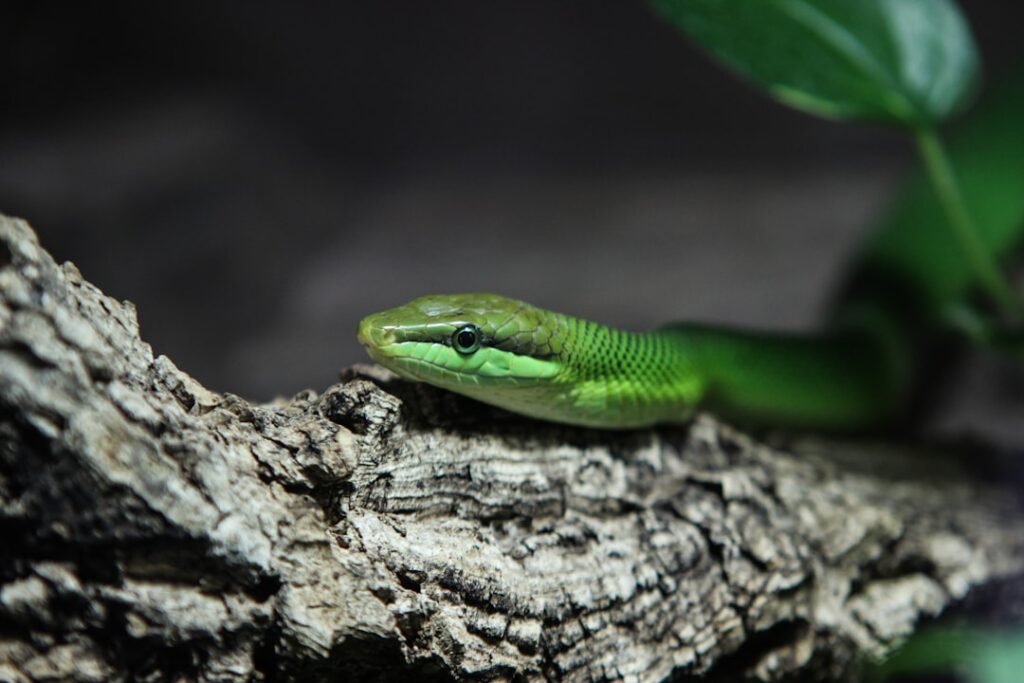
The information presented here aims to provide a foundational understanding, but it is crucial to remember that each reptile species presents its own unique challenges and requirements. This guide serves as a compass, pointing you toward established best practices, but the journey of discovery and refinement will be yours.
Success in breeding hinges on a comprehensive grasp of the animals you are working with. This involves more than just recognizing a species; it requires delving into their natural history, reproductive cycles, and behavioral patterns. Without this fundamental knowledge, your efforts will be akin to trying to navigate a complex maze without a map.
Reptiles are a diverse group, and their reproductive strategies vary significantly. A terrestrial tortoise will have different environmental and social needs than an arboreal snake or an aquatic turtle. Ignoring these distinctions is a recipe for failure.
Diet is a cornerstone of successful reproduction. Inadequate nutrition can lead to a host of problems, including infertility, poor egg development, and compromised health in both parents and offspring.
Understanding the balance of proteins, fats, and carbohydrates is essential. For instance, insectivorous reptiles require diets rich in specific nutrients for optimal reproductive function, while herbivorous species need access to appropriate plant matter with the correct mineral and vitamin profiles. Deficiencies in calcium, for example, can be catastrophic.
Vitamins and minerals, though required in smaller quantities, are equally vital. Deficiencies in vitamin A, for instance, can impact reproductive tract health. Ensuring a balanced diet supplemented appropriately, based on species-specific recommendations, is paramount.
Proper hydration is often overlooked but is critical for all physiological processes, including reproduction. Dehydration can hinder ovulation, affect sperm viability, and impact the development of eggs and embryos.
The environment directly influences a reptile's readiness to breed. Mimicking natural conditions as closely as possible is key.
Reptiles are ectothermic, meaning they rely on external sources of heat. Providing appropriate temperature gradients allows them to thermoregulate, a process critical for digestion, immune function, and reproductive cycles. Specific temperature requirements for basking and ambient temperatures vary by species and can directly influence hormonal activity related to breeding.
Humidity plays a significant role in egg development and the shedding process, both of which are linked to reproductive readiness. Too high or too low humidity can lead to infertile eggs, desiccation, or complications during egg-laying.
The duration and intensity of light exposure (photoperiod) can signal seasonal changes and trigger breeding behaviors. Implementing appropriate lighting schedules, including UV-B exposure, is crucial for many species, impacting vitamin D3 synthesis and calcium metabolism, which are fundamental for egg production and shell development.
Each species possesses a distinct reproductive cycle, influenced by factors such as season, age, and environmental cues. Synchronization of these cycles is essential for successful breeding.
Many reptile species are seasonal breeders, with their reproductive activity peaking during specific times of the year. This is often linked to fluctuations in temperature, rainfall, and food availability in their natural habitats.
To stimulate breeding, it is often necessary to create pre-breeding conditions that mimic seasonal changes. This might involve a period of cooler temperatures, reduced feeding, or a change in photoperiod. These "environmental vacations" can act as a biological reset, priming the animals for reproduction.
These environmental shifts act as triggers for hormonal cascades that initiate courtship, mating, and egg development. Understanding these triggers allows breeders to manipulate conditions to encourage breeding outside of traditional seasons, though this should be approached with caution and a thorough understanding of the species' natural plasticity.
The age at which a reptile becomes sexually mature varies greatly. Breeding immature animals can lead to poor reproductive success and health issues.
Recognizing sexual dimorphism – the physical differences between males and females – is crucial for sexing individuals and understanding their roles in the breeding process. This can sometimes be subtle and require experienced observation.
Beyond age, visual cues and behavioral changes can indicate readiness to breed. Males might exhibit increased territoriality or display behaviors aimed at attracting females. Females might show changes in body condition or nesting behaviors.
If you're interested in the fascinating world of reptile breeding, you might want to check out this insightful article on the best practices for maintaining a healthy breeding environment. It covers essential topics such as temperature regulation, humidity control, and proper nutrition for both breeding pairs and hatchlings.
The environment in which your reptiles reside is not merely a container; it is a carefully constructed ecosystem designed to support their well-being and facilitate reproduction. Neglecting this aspect is akin to building a house on a weak foundation.
The enclosure should be tailored to the specific needs of the species, providing ample space, appropriate substrates, and secure hiding places.
The substrate plays a role in humidity regulation, burrowing behavior, and even microbial balance within the enclosure. Choosing the right substrate is not merely aesthetic; it has functional implications for the animals' health and breeding success.
For species that require high humidity, substrates that retain moisture are essential. This can prevent desiccation of eggs and provide a comfortable environment for nesting.
Many reptiles are burrowers, and providing a substrate deep enough to allow for natural burrowing behavior is important for their psychological well-being and can be essential for nesting.
It is imperative to use substrates that are safe and non-toxic. Some materials can cause impaction if ingested or release harmful fumes.
Enrichment goes beyond basic provision; it involves creating a stimulating environment that mimics natural complexities.
For arboreal species, providing adequate climbing structures such as branches and vines is crucial for exercise and to facilitate mating displays.
Reptiles are prey animals in the wild and require secure hiding places to feel safe. A lack of perceived security can lead to stress, impacting breeding behavior. A well-designed enclosure offers multiple retreat options.
For aquatic or semi-aquatic species, appropriately sized and maintained water features are not only for drinking but also for breeding and thermoregulation.
Precise control of temperature and humidity is paramount and requires reliable equipment.
Various heating devices are available, and the choice depends on the species' needs and enclosure size.
These provide targeted heat sources, allowing for the creation of basking spots. It's vital to ensure these are regulated by thermostats to prevent overheating or underheating.
These can provide ambient warmth, particularly useful for terrestrial species. However, they should always be used in conjunction with thermostats to prevent burns.
Maintaining the correct humidity level requires active management.
Automated misting systems can provide consistent humidity for species that require it. Manual misting can also be employed, but requires regular attention.
Accurate monitoring is non-negotiable. Placing calibrated hygrometers and thermometers at various points within the enclosure ensures that temperature and humidity gradients are correctly established and maintained.

Successfully stimulating breeding and observing successful mating is only the first act in the grand play of reptile reproduction. The subsequent stages require meticulous attention to detail, as the vulnerability of eggs and developing young is at its peak.
Understanding the courtship rituals of your chosen species is vital for successful pairing. Forcing pairings can lead to stress and injury.
Both males and females will exhibit specific behaviors indicating readiness and interest. For example, some male snakes will perform courtship dances, while female geckos might display brighter coloration.
A healthy, well-conditioned male will actively pursue and display interest in a receptive female. Signs of readiness include increased activity and specific vocalizations or scent marking in some species.
A receptive female will often tolerate or actively engage with male courtship rituals. She may present herself in a certain posture or exhibit subtle behavioral changes that signal her willingness to mate.
It is important to allow animals to initiate courtship and mating. Introducing a male to a female when she is not receptive can lead to aggression, injury, or rejection. Patience is a breeder's virtue.
The period of gestation, the time from mating to egg-laying, varies significantly by species. Observing the female for physical changes can indicate pregnancy.
Physical indicators of pregnancy in female reptiles can include a noticeable broadening of the abdomen, a decrease in appetite, and increased nesting behaviors. For some species, a palpable swelling might be observed.
As the time for oviposition approaches, females will actively seek out suitable nesting sites. This might involve digging, creating burrows, or seeking out dark, humid locations. Providing artificial nesting boxes can be beneficial.
The success of egg-laying is often dependent on the availability of a suitable nesting environment.
The substrate within the nesting box should mimic the natural environment, providing the correct moisture content and texture for the species. This ensures the eggs are protected from desiccation and physical damage.
Maintaining stable temperature and humidity within the nesting site is crucial for successful embryo development. This can require careful monitoring and adjustment of the surrounding environment.
For most captive breeding programs, artificial incubation is necessary to ensure consistent and optimal conditions for egg development. This is a controlled environment, a safe harbor for the future generation.
Various types of incubators are available, from simple styrofoam boxes to sophisticated digital units. The choice often depends on budget and the volume of breeding.
Maintaining consistent humidity within the incubator is critical. This can be achieved through various methods, such as water dishes, perlite, or specialized humidity beads.
Precise temperature control is paramount. Digital thermostats are highly recommended for their accuracy and reliability, ensuring the eggs are kept within the species-specific optimal temperature range.
The eggs are typically placed on or within an incubation medium.
These are common incubation substrates as they hold moisture well and allow for gas exchange. The ideal substrate and its moisture level will vary depending on the species' egg characteristics.
Candling eggs with a bright light allows breeders to monitor the development of the embryo and detect any infertile or non-viable eggs. This practice is akin to a prenatal ultrasound, providing valuable insights into the progress of life within.

The emergence of hatchlings marks not the end of the breeder's responsibility, but the beginning of a new phase of care. These miniature versions of their parents require specialized attention to ensure their survival and healthy growth.
The environment for hatchlings must be carefully managed to provide safety, appropriate food, and suitable conditions for rapid growth.
The decision to house hatchlings individually or communally depends on the species' natural behavior and temperament. Some are more prone to cannibalism than others.
In species where cannibalism is a risk, individual housing until hatchlings reach a certain size is essential. Even in communal setups, careful monitoring is required.
For species that benefit from social interaction, careful introduction and monitoring of communal housing can be beneficial, but this requires a nuanced understanding of the species' social dynamics.
Hatchlings are often more sensitive to environmental fluctuations than adults. Maintaining consistent and appropriate humidity and temperature is vital for their survival.
Small, easily managed enclosures or brooder boxes are ideal for hatchlings, allowing for better control over environmental parameters and facilitating feeding.
As hatchlings grow, their environmental needs may change. A gradual acclimatization to slightly larger enclosures and conditions similar to adult housing is typically necessary.
Hatchlings have specific dietary needs and require appropriately sized food items.
The size of prey items must be appropriate for the hatchling's mouth gape. Overfeeding or underfeeding can both be detrimental.
The debate between live and frozen/thawed prey for hatchlings is ongoing. For some species, live prey may be essential to stimulate feeding responses.
Hatchlings require regular dusting with calcium and vitamin supplements to support healthy skeletal development. This is crucial to prevent metabolic bone disease.
Newly hatched reptiles may be hesitant to feed. Various techniques can be employed to encourage their first meal.
Wiggling prey items or using feeding tongs to move food can stimulate a predatory response in hesitant hatchlings.
For species that are not obligate carnivores or insectivores, offering a small variety of appropriate food items can help identify their preferences and encourage feeding.
Regularly monitoring the growth and health of hatchlings is crucial for early detection of any issues.
Regularly weighing and measuring hatchlings provides objective data on their growth rate. Deviations from expected growth patterns can indicate underlying health problems.
Recognizing early signs of illness, such as lethargy, loss of appetite, or unusual droppings, allows for prompt intervention.
Having a relationship with a reptile-savvy veterinarian is essential for addressing any health concerns that may arise. Early diagnosis and treatment can significantly improve outcomes.
If you're interested in the fascinating world of reptile breeding, you might want to explore an insightful article that delves into the best practices for maintaining a healthy breeding environment. This resource offers valuable tips and techniques that can help both novice and experienced breeders enhance their skills. For more information, check out this related article on reptile breeding tips to ensure your reptiles thrive in their habitats.
| Metric | Description | Typical Range | Notes |
|---|---|---|---|
| Number of Species Bred | Count of different reptile species bred | 1 - 20+ | Varies by breeder specialization |
| Annual Hatchlings | Number of baby reptiles produced per year | 10 - 500+ | Depends on species and scale |
| Breeding Success Rate | Percentage of eggs or live births that survive | 60% - 90% | Influenced by husbandry and genetics |
| Average Incubation Period | Time from egg laying to hatching | 30 - 90 days | Species dependent |
| Breeding Age | Age at which reptiles reach sexual maturity | 6 months - 3 years | Varies widely by species |
| Average Clutch Size | Number of eggs laid per breeding cycle | 2 - 30 eggs | Species and individual dependent |
| Incubation Temperature | Optimal temperature for egg incubation | 78°F - 90°F (25.5°C - 32°C) | Temperature affects sex and development |
| Mortality Rate | Percentage of hatchlings that do not survive to maturity | 10% - 40% | Lower rates indicate better care |
| Breeding Frequency | Number of breeding cycles per year | 1 - 3 | Depends on species and conditions |
A proactive approach to disease prevention is more effective and humane than attempting to treat established illnesses. Just as a gardener tends their soil to prevent blight, a breeder must maintain a clean and healthy environment to prevent disease.
Preventing the introduction of diseases into your breeding collection is paramount.
All new animals should undergo a strict quarantine period in a separate, isolated facility before being introduced to the main collection. This allows for observation and treatment of any potential issues.
Regular fecal testing for parasites is a critical component of biosecurity and ongoing health management.
Regular and thorough disinfection of enclosures, equipment, and handling tools is essential to eliminate pathogens.
Using appropriate disinfectants and following proper cleaning protocols ensures that enclosures are free from harmful microorganisms. Avoidance of cross-contamination is key.
Familiarity with common reptile diseases and their symptoms is vital for prompt and effective treatment.
These are often caused by improper temperature, humidity, or poor ventilation. Symptoms can include wheezing, open-mouthed breathing, and nasal discharge.
The first step in treating respiratory infections is often to correct the environmental conditions that may have contributed to the illness.
In more severe cases, antibiotic treatment prescribed by a veterinarian may be necessary.
Scale rot, fungal infections, and parasites can affect the skin and scales of reptiles.
External parasites are common and can be identified by their visible presence. They can be treated with specialized reptile-safe medications.
These often manifest as discolored patches, lesions, or shedding problems. Topical treatments or systemic medications may be required.
This is a common skeletal disorder caused by a deficiency in calcium, vitamin D3, or an improper calcium-to-phosphorus ratio.
The primary treatment for MBD involves correcting the animal's diet and ensuring appropriate supplementation.
Severe cases of MBD may require veterinary intervention, including calcium injections and specialized care.
A well-balanced diet and consistent access to clean water are the first lines of defense against many health problems.
Ensuring that all nutritional requirements are met through appropriate diet and supplementation is critical for overall health and immune function.
Proper hydration supports all bodily functions and stress resilience. Dehydrated animals are more susceptible to illness.
The pursuit of expertise in reptile breeding is a continuous journey of learning and adaptation. By embracing these principles of understanding, environmental control, meticulous observation, and proactive health management, you can cultivate a breeding program that is not only successful but also ethically sound and deeply rewarding. Remember, the well-being of your animals is the ultimate measure of your success.
A reptile breeder is an individual or business that specializes in breeding reptiles, such as snakes, lizards, turtles, and other reptiles, often for sale as pets, for conservation purposes, or for research.
Commonly bred reptiles include various species of snakes (like ball pythons and corn snakes), geckos (such as leopard geckos), bearded dragons, chameleons, and turtles.
Successful reptile breeding requires knowledge of the species' habitat, diet, temperature and humidity needs, proper enclosure setup, health monitoring, and understanding of breeding cycles and incubation of eggs.
Breeding reptiles is legal in many places, but it is regulated. Breeders must comply with local, state, and federal laws, including permits for certain species, and restrictions on endangered or protected reptiles.
People often prefer buying from breeders because breeders typically provide healthier animals, have more knowledge about the species, offer captive-bred reptiles which are better adapted to captivity, and can provide detailed care information.
Copyright 2026 © Reputable Reptiles | Reputable Reptile Breeders | Articles