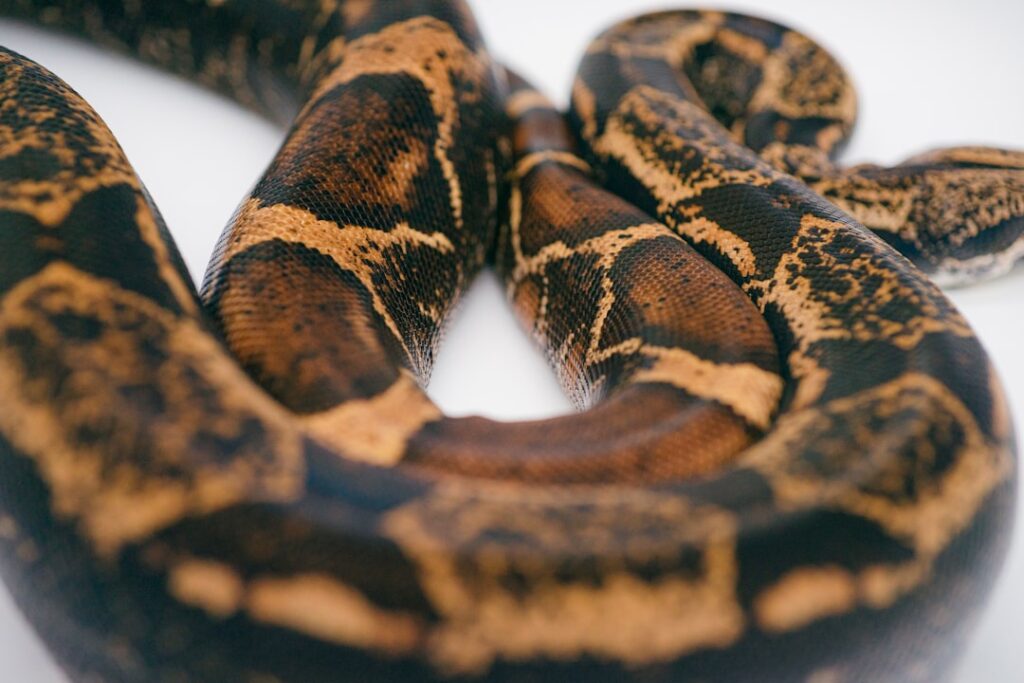
Exploring Reptile Morphs: A Fascinating Look into Genetic Variations
Reptile morphs represent a fascinating avenue in herpetology, illustrating the diverse ways genetic mutations can manifest in observable traits. These variations, often referred to as "morphs," are not separate species but rather different phenotypic expressions within the same species, stemming from alterations in their genetic code.
The study of reptile morphs provides insights into the fundamental principles of genetics, inheritance, and the intricate mechanisms that drive biological diversity. For breeders and enthusiasts, morphs have become a significant aspect of reptile husbandry, leading to the development of visually striking and unique animals.
Understanding the Genetic Basis of Morphs
The foundation of any reptile morph lies in genetics. Specifically, morphs are typically the result of gene mutations, which are permanent changes in the DNA sequence. These mutations can occur spontaneously or be inherited from parents. When such a mutation affects a gene responsible for pigment production, scale structure, or other visible characteristics, it can lead to a distinct morph.
Alleles and the Expression of Traits
At the heart of Mendelian genetics, which forms a cornerstone of understanding morphs, are alleles. Alleles are different versions of the same gene. For example, a gene responsible for determining black pigment might have an allele that produces normal black pigment and another allele that, due to a mutation, produces significantly reduced or absent black pigment, leading to a lighter coloration.
Dominant and Recessive Alleles: The interaction of alleles determines the expression of a trait. Dominant alleles express their phenotype even if only one copy is present. Recessive alleles, on the other hand, require two copies to be expressed. In the context of morphs, this explains why some traits appear more readily than others. A breeder seeking a specific morph might need to pair individuals that both carry the recessive allele for that trait.
Genotype vs. Phenotype: It is crucial to distinguish between genotype and phenotype. The genotype is the actual genetic makeup of an individual, their specific combination of alleles. The phenotype is the observable physical characteristic that results from the genotype, influenced by environmental factors. When discussing morphs, we are primarily concerned with the phenotypic expression. A snake might have the genotype for a certain morph but not display it due to incomplete penetrance or other genetic interactions.
The Role of Mutation
Mutation is the ultimate source of new genetic variation. Without mutations, there would be no new alleles and, consequently, no new morphs. These mutations can be:
Spontaneous Mutations: These occur randomly during DNA replication or due to environmental factors like radiation. While rare, spontaneous mutations are responsible for the initial appearance of many novel morphs.
Induced Mutations: While not common practice in reptile breeding for conservation purposes, certain factors can induce mutations. However, most morphs arise from naturally occurring mutations.
Inheritance Patterns of Morphs
Understanding how morphs are inherited is essential for selective breeding. Most common morphs follow predictable Mendelian inheritance patterns.
Autosomal Inheritance: Many genes reside on autosomal chromosomes (non-sex chromosomes). Traits controlled by autosomal genes are inherited independently of sex.
Sex-Linked Inheritance: Genes located on sex chromosomes (X and Y in mammals, Z and W in birds and some reptiles) exhibit sex-linked inheritance. This can lead to different expressions of a morph between males and females. For example, if a gene for a morph is located on the Z chromosome, its expression might differ depending on whether the individual is male (ZZ) or female (ZW).
Common Types of Reptile Morphs
Reptile morphs can manifest in a multitude of ways, affecting color, pattern, and even physical structure. These variations are often categorized based on the primary observable change.
Hypomelanistic and Amelanistic Morphs
One of the most popular categories of morphs involves the alteration of melanin, the primary pigment responsible for dark coloration.
Hypomelanism: This refers to a reduction in melanin production. Animals exhibiting hypomelanism have less black or brown pigment, often resulting in lighter overall coloration, reduced spotting, or faded patterns. A hypomelanistic ball python, for instance, might have pale brown or grey markings instead of the typical dark brown or black.
Amelanism (Albino): Amelanism is the complete absence of melanin. Animals with this mutation produce no dark pigment. This results in the characteristic "albino" phenotype, where the skin is white or pale yellow, and the eyes are pink or red due to the visibility of blood vessels. Albino ball pythons are a classic example, showcasing stark white or pale yellow bodies with contrasting red eyes. The genetic basis for amelanism often involves mutations in genes essential for the production or distribution of melanin, such as tyrosinase or MC1R.
Leucistic Morphs
Leucism is another form of pigment reduction, distinct from albinism. While albinos lack melanin entirely, leucistic animals have a reduction or absence of pigmentation, but their eyes retain their normal color.
Distinguishing Leucism from Albinism: The key differentiator is the eye color. Albinos have pink or red eyes, while leucistic individuals have dark or pigmented eyes. Leucism can affect all pigments or specific ones, leading to a range of appearances, from completely white animals with dark eyes to patchy coloration. A leucistic corn snake might appear white with dark eyes and hints of its natural pattern showing through faintly.
Pattern Variations
Beyond simple color changes, mutations can also drastically alter the patterns of reptiles. These morphs can be as diverse as the species themselves.
Reduced or Absent Pattern: Some morphs result in a significant reduction or complete absence of the animal's natural dorsal or lateral markings. A "ghost" ball python, for example, might have a highly muted, ethereal pattern where the typical blotches are blurred and faded.
Intensified or Altered Patterns: Conversely, other morphs can lead to an intensification of existing patterns or the creation of entirely new ones. "Clown" ball pythons, for instance, exhibit broken, irregular patterns and often a distinctive head stamp that can appear painted on.
Pied and Phantom Patterns: "Pied" or "piebald" indicates irregular patches of white or unpigmented skin. This can range from small spots to large, asymmetrical blotches. "Phantom" morphs are characterized by a subdued and often broken pattern, making the animal appear as if parts of its markings are fading into obscurity.
The Impact of Morphs on the Pet Trade
The emergence and popularity of reptile morphs have had a profound impact on the reptile pet trade, transforming it into a dynamic and specialized market.
Selective Breeding and Designer Morphs
Reptile keepers, particularly those involved in breeding, have capitalized on the understanding of genetic inheritance to selectively breed for specific morphs. This has led to the creation of what are often termed "designer morphs," combinations of various genetic traits to produce animals with unique and desirable aesthetics.
Analogy: A Painter's Palette: Think of each gene as a color on a painter's palette. Breeders work with different alleles, like different shades of that color, and combine them to create a desired masterpiece. A single animal can be homozygous for multiple genes, resulting in complex combinations of patterns and colors that were not present in the wild.
The Rise of Complex Gene Combinations: Modern breeding has moved beyond single-gene morphs. Breeders now focus on combining multiple independent genes to create animals with intricate and highly sought-after phenotypes. For example, a ball python might be albino (lacking melanin), have a reduced pattern (like a "super stripe"), and possess a specific color allele, leading to a visually stunning and unique individual.
Economic Implications and Market Value
The desirability of certain morphs translates directly into economic value. Rare or particularly striking morphs can command high prices, driving a significant portion of the reptile trade.
Supply and Demand Dynamics: The market for reptile morphs is largely driven by supply and demand. Morphs that are difficult to produce or are in high demand will naturally fetch higher prices. The effort and cost involved in breeding for specific, complex morphs also contribute to their value.
Specialized Breeders and Markets: A specialized market has developed, with breeders focusing on particular species or morph lines. Online marketplaces, reptile expos, and dedicated forums serve as hubs for buying, selling, and showcasing these genetic variations. This specialization has fostered a deep expertise within certain breeder communities.
Ethical Considerations in Morph Breeding
While the exploration of reptile morphs is scientifically intriguing and economically significant, it also raises important ethical questions that warrant careful consideration.
Animal Welfare and Genetic Health
The pursuit of extreme or novel morphs can sometimes lead to unintended consequences for the animals' health and well-being.
The "Creamsicle" Syndrome Example: In some species, certain gene combinations might be linked to health issues. For instance, some "creamsicle" morphs in corn snakes (often a combination of albino and anerythrism) have been anecdotally linked to reduced lifespan or certain neurological issues, though the exact genetic links are still being researched. This highlights the importance of responsible breeding practices that prioritize the health of the animal over purely aesthetic goals.
Inbreeding Depression and Genetic Diversity: Extensive selective breeding for specific morphs can sometimes lead to inbreeding and a reduction in overall genetic diversity within a captive population if not managed properly. This can increase the risk of inherited health problems. Responsible breeders strive to maintain healthy gene pools.
The Impact on Wild Populations
The popularity of morphs in the pet trade can have indirect effects on wild reptile populations.
Reduced Incentive for Wild Capture (Ideally): In some cases, the availability of morphs through captive breeding can reduce the incentive for capturing wild animals for the pet trade, thereby lessening pressure on wild populations.
Potential for Habitat Exploitation (Indirectly): However, the demand for morphs can also indirectly contribute to habitat loss if the infrastructure for breeding farms or the related industries encroach upon natural habitats. Moreover, misunderstandings about morphs in the wild can sometimes lead to their exploitation if they are perceived as "rare" and therefore valuable specimens to be captured.
Scientific Value and Future Directions
Beyond the realm of pet keeping, the study of reptile morphs holds significant scientific value and opens avenues for future research.
Understanding Gene Function and Expression
By observing the phenotypic outcomes of specific mutations, scientists can gain valuable insights into the function of genes and their role in developmental processes.
The Morphs as Biological Markers: Each morph acts as a biological marker, a visible "signpost" pointing to the underlying genetic alteration. Studying the genes responsible for these morphs can help elucidate the complex pathways of pigment production, pattern formation, and other developmental processes. For example, identifying the specific gene mutation causing amelanism in a particular species can reveal its role in the broader melanin synthesis pathway.
Comparative Genomics: Comparing the genetic makeup of different morphs within a species, and across related species, allows for comparative genomics studies. This can help identify conserved genes and pathways responsible for specific traits.
Conservation and Genetic Rescue
The study of captive-bred morphs can also offer potential benefits for conservation efforts.
Preserving Genetic Diversity: Understanding the genetic diversity of captive populations, including the presence of various morph-impacting alleles, can be valuable. In scenarios where wild populations face severe decline, these captive gene pools, with their documented genetic variations, might eventually be crucial for reintroduction programs if managed responsibly.
Potential for Genetic Rescue: While controversial and requiring extensive research, in the future, understanding the genetic basis of beneficial traits within certain morphs could theoretically be explored for genetic rescue of endangered wild populations, ensuring they possess a wider range of adaptations. However, this is a long-term, highly complex consideration.
The Future Landscape of Morph Research
The field of reptile morph research is continually evolving.
Advanced Genetic Technologies: With the advent of advanced genetic sequencing technologies, researchers can now more readily identify the precise genes and mutations responsible for various morphs. This is moving the field from observational genetics to molecular genetics.
Investigating Complex Interactions: Future research will likely focus on understanding the complex interactions between multiple genes that contribute to the development of more intricate morphs. This includes investigating epistasis (where one gene masks or modifies the effect of another) and polygenic traits (where multiple genes contribute to a single phenotype).
Connecting Genotype to Phenotype in Finer Detail: The ultimate goal is to achieve a detailed understanding of how genotype translates into phenotype across the spectrum of reptile diversity, including their variations and adaptations in their natural environments.
FAQs
What are reptile morphs?
Reptile morphs are genetic variations or mutations that affect the color, pattern, or scale structure of reptiles. These variations are selectively bred to produce unique and visually distinct reptiles.
How are reptile morphs created?
Reptile morphs are created through selective breeding, where reptiles with desirable genetic traits are bred together to enhance or combine specific colors, patterns, or physical characteristics.
Are reptile morphs found in the wild?
While some morphs can occur naturally in the wild due to genetic mutations, most reptile morphs seen in captivity are the result of controlled breeding programs by reptile enthusiasts and breeders.
Do reptile morphs affect the health of the animal?
Most morphs do not negatively impact the health of the reptile; however, some genetic mutations can be linked to health issues. Responsible breeding practices aim to minimize any potential health problems.
Can all reptile species have morphs?
Not all reptile species have morphs, but many popular pet reptiles, such as ball pythons, leopard geckos, and bearded dragons, have numerous morphs due to extensive breeding and genetic research.